
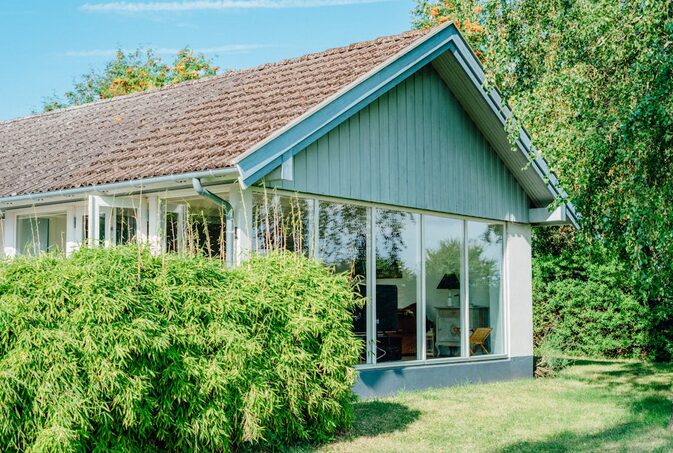
As environmental awareness grows, more homeowners are embracing sustainable home design to reduce their carbon footprint and contribute to a healthier planet. The focus is no longer just on aesthetics; it’s about creating living spaces that are energy-efficient, environmentally friendly, and aligned with the principles of sustainability. Whether you’re building a new home or renovating, adopting eco-friendly trends can help you create a greener future while enhancing the comfort and value of your home. Let’s explore some of the top trends in sustainable home design.
Energy-Efficient Appliances and Systems

One of the most impactful ways to make your home more sustainable is by investing in energy-efficient appliances and systems. From refrigerators and dishwashers to HVAC systems and water heaters, energy-efficient models use less electricity and water, lowering utility bills while reducing your home’s environmental impact. Look for appliances with the Energy Star rating, which guarantees they meet strict efficiency standards. Upgrading to smart thermostats and lighting systems can also make a big difference.
Sustainable Building Materials
Building materials have come a long way in terms of sustainability. Traditional materials like concrete and steel have high environmental costs due to their energy-intensive production processes. In contrast, eco-friendly alternatives like bamboo, reclaimed wood, and recycled materials offer durability and reduce waste. Bamboo, for instance, is a fast-growing plant that can be harvested sustainably, making it a popular choice for flooring and furniture. Reclaimed wood from old buildings and furniture gives new life to materials that would otherwise go to waste. Recycled metal and glass are also being incorporated into home design, creating unique finishes while minimizing environmental impact.
Solar Power and Renewable Energy
Solar power is at the forefront of the green energy revolution. Installing solar panels on your roof allows you to harness the sun’s energy to power your home, reducing your reliance on fossil fuels. With advances in solar technology, panels are becoming more efficient and affordable, making renewable energy a viable option for many homeowners. In addition to solar panels, other forms of renewable energy, like wind turbines and geothermal systems, are gaining popularity. These systems may require a higher upfront investment, but the long-term savings on energy bills and the positive environmental impact make them worthwhile.
Green Roofs and Vertical Gardens

Green roofs and vertical gardens are not only visually striking but also have practical benefits for sustainable living. A green roof is a layer of vegetation planted over a waterproof membrane on top of a building. This eco-friendly design helps insulate the home, reduce stormwater runoff, and improve air quality. Additionally, green roofs can extend the lifespan of the roof by protecting it from the elements. Vertical gardens, or living walls, are another way to incorporate greenery into your home design. These can be installed both indoors and outdoors, adding a natural element to your home while improving air quality. Plus, growing your own herbs and vegetables in a vertical garden can reduce the need for store-bought produce, cutting down on packaging waste and transportation emissions.
Water Conservation Features
Water is a precious resource, and sustainable home design includes features that help conserve it. Low-flow faucets, toilets, and showerheads reduce water consumption without sacrificing performance. Greywater systems, which recycle water from sinks, showers, and laundry for use in irrigation and toilets, are becoming increasingly popular in eco-friendly homes. Rainwater harvesting systems collect rainwater for landscape irrigation, further reducing the need for tap water. By incorporating water conservation features into your home, you can reduce your water usage, lower your utility bills, and contribute to global water conservation efforts.
Passive Design for Natural Efficiency
Passive design is an architectural approach that optimizes the natural environment to reduce the need for artificial heating and cooling. By carefully considering the orientation of the home, window placement, and insulation, passive design can take advantage of sunlight, shade, and ventilation to keep your home comfortable year-round. For example, south-facing windows allow for maximum sunlight in colder months, while well-placed shading can prevent overheating in the summer. High-quality insulation and airtight construction help maintain a stable indoor temperature, reducing the need for energy-intensive heating and cooling systems.
Eco-Friendly Insulation and Windows

Insulation plays a critical role in sustainable home design, keeping your home warm in the winter and cool in the summer without over-relying on heating or air conditioning. Eco-friendly insulation materials like sheep’s wool, cellulose, and recycled cotton are effective alternatives to traditional fiberglass. These materials are renewable, biodegradable, and provide excellent thermal performance. Energy-efficient windows are another key component of a sustainable home.
Sustainable home design is more than just a trend. It’s a movement toward a greener, more responsible way of living. By adopting eco-friendly practices such as energy efficiency, water conservation, and using sustainable materials, you can create a home that is both stylish and environmentally conscious. As technology continues to advance, the possibilities for green home design are expanding, making it easier than ever to create a sustainable space that benefits both you and the planet.…

 Prior to using your fireplace for heating purposes, ensure that your home is properly insulated and sealed. Good insulation prevents heat loss and keeps the warm air from escaping through cracks or poorly insulated areas. Check for gaps around windows and doors and seal them accordingly. Adequate insulation in walls and attics also helps to retain the heat generated by the fireplace, maximizing its efficiency.
 To make the most of your fireplace’s heating capabilities, consider using zone heating techniques. Instead of relying solely on a centralized heating system, use your fireplace to heat commonly occupied areas, such as the living room or bedroom, while lowering the thermostat for the rest of the house. This allows you to focus heat where it’s needed, reducing energy consumption and overall heating costs. Remember to use appropriate safety measures when operating a fireplace and ensure proper ventilation to maintain indoor air quality.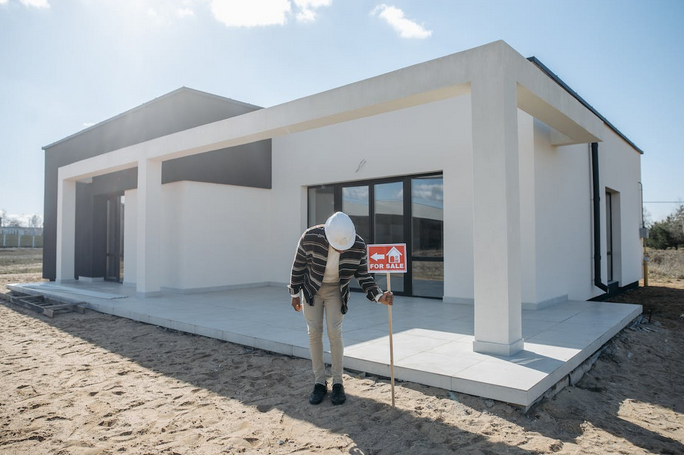
 Another key tip is to focus on maximizing storage. This is especially important in small homes. Buyers are always looking for homes with plenty of storage space. Thus, by adding additional storage solutions, you can make your home more appealing to potential buyers. There are a number of ways to maximize storage, such as installing shelves and cabinets or using creative furniture solutions. If you are unsure how to maximize storage in your home, plenty of resources are available online. You can also hire a professional to help you with this.
 Lastly, it is important to also focus on the lighting in your home. This is because good lighting can make a big difference in the overall feel of a space. Poor lighting can make a space feel small and cramped, while good lighting can make a space feel more open and inviting. Thus, when renovating your home for resale, be sure to install great lighting fixtures throughout the house. If you have the budget for it, you can also add skylights to brighten up the space. This can add value to your home and make it more appealing to potential buyers.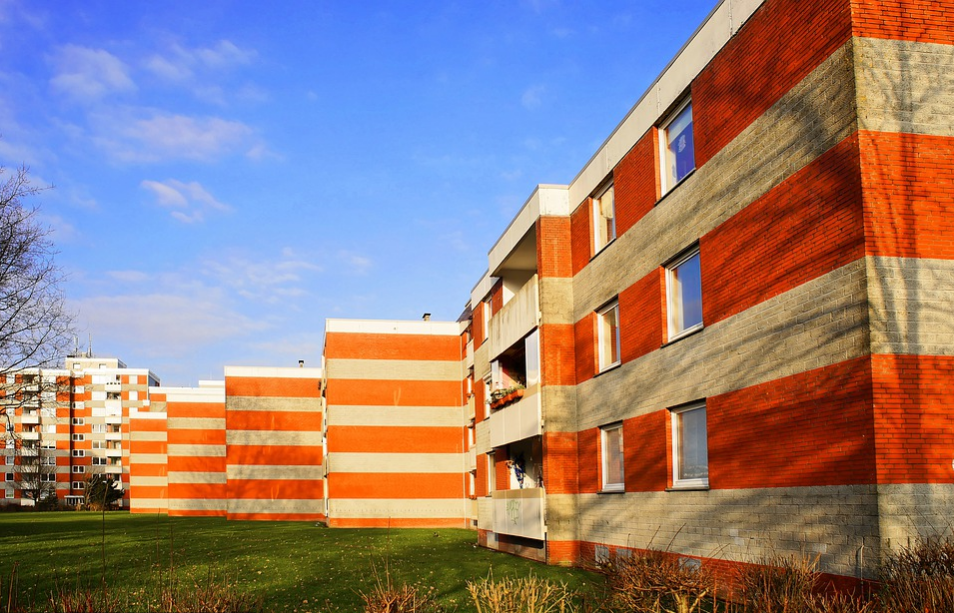
 If the price that you have set in your house is correct, just within one week of being on the show, you will be sure that you will have attracted a serious buyer. When selling the house, the key factor will be the price tag.
 It will be easy and fast to sell the home in warmer months when the garden looks the best, and those who want to buy the house they will be able to get out and attend the show days.


 If you have a friend or relative having enough credit, already owns their home, and willing to vouch for your security, then you can get them to act as a co-signer. However, for relationships sake, you must be dedicated to the cause of paying back their debts or else it may create an environment of distrust and misunderstanding. It is important to understand that just because there are co-signer doesn’t mean they are a co-owner of your home; just that they vouched on your behalf and willing to share a part of the responsibility that comes with you not being able to make the payments on time.
 These are two of the easiest ways to obtain home loan bad credit no down payment as the other methods of getting a loan having a bad credit might involve a lot of legal hassles. Making things worse is the fact that you can’t do a down payment and is dependent upon either your past reputation or someone else’s word.